
Blog.
Carpet Heat Seaming Irons and Tape: Pro Setup Guide
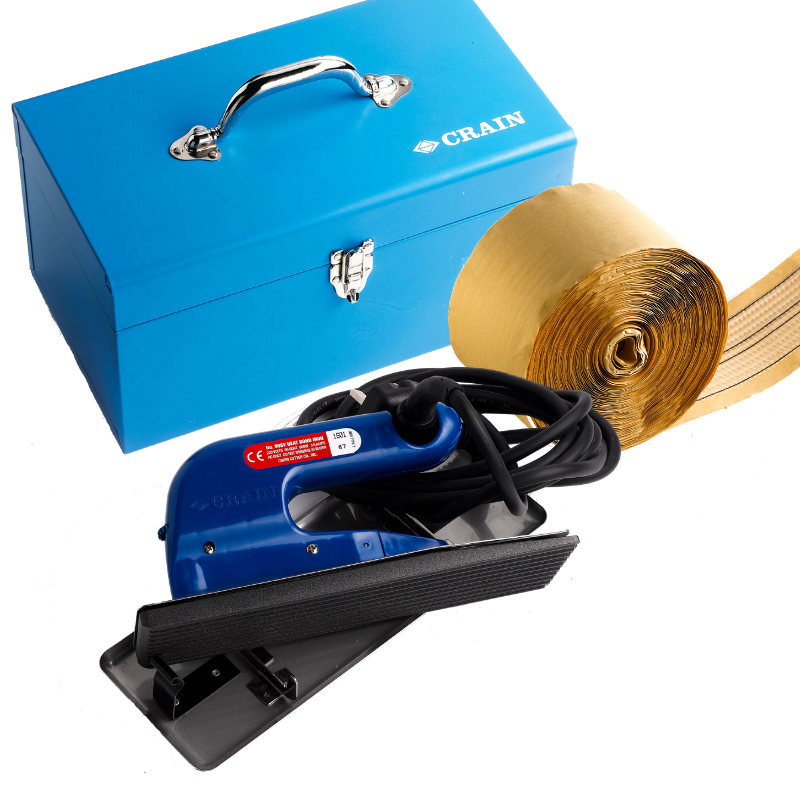
Sep
Carpet seam perfection: heat seaming irons, tape choices and pro setup (save time on site)
Clean, flat, durable seams make the job. They also save you time on repairs and callbacks. This guide shows UK fitters how to build stronger carpet seams first pass, with the right iron temperature, matched seam tapes, controlled travel, and proper cooling.
You will find quick comparisons on adjustable-temperature seaming irons, which seam tape backings to choose, why rollers and weights matter, and a step-by-step setup that reduces rework. Safety, troubleshooting, and a fast spares checklist are included so you can keep moving on site.
Choose the right heat seaming iron
Adjustable-temperature irons are essential. Aim for:
- Smooth glide plate or changeable shoe to protect pile
- Accurate dial with clear heat range
- Even heat distribution end to end
- Heat-safe stand and long, flexible lead
Why adjustable temperature matters: different tapes and backings flow at different points. Too cool gives a weak bond; too hot can scorch or bleed adhesive into pile. On patterned and dense tufted carpets, temp control and steady travel keep the seam flat and clean.
Tip: Keep a spare iron shoe in your kit. Swapping a marked or gummed plate takes seconds and prevents pile shine.
Explore our heat seaming range and matched tapes in the heat seaming category.
Match the seam tape to the job
Not all seam tapes are equal. Select by backing and adhesive profile:
- Kraft or paper-backed tape: general domestic work, good wet-out and quick set when cooled correctly.
- Glass-fibre reinforced tape: higher tensile stability, reduces peaking on wider or tensioned joins.
- Heavy-duty mesh or scrim-backed tape: commercial and heavy tufted carpets where added strength helps under load or stretch.
- Low-profile, fast-flow adhesives: helpful on dense backings for minimal ridge and quick knife-time.
Use wider tape for high-tension areas and long runs. For stairs and small patches, narrow tape reduces bulk. Pair tape brand and width consistently on a single seam.
Find compatible options under carpet seam tape and seaming tape for carpet.
Rollers and weights that lock the seam
Seam rollers and seam weights do different jobs:
- Star or smooth rollers: open the join, blend adhesive through backing, and help face yarns meet without crushing.
- Seam weights: stabilise and flatten the hot zone as it cools, preventing tenting and memory lift.
Use the roller directly behind the iron nose, then set weights on the cooling zone. Move them progressively. Avoid dragging across face pile.
Step-by-step setup for cleaner, stronger seams
Follow this sequence to speed up your on-site workflow:
1. Test strip
- Lay a short piece of the chosen tape under offcut joins.
- Start at a mid setting on the iron. You are looking for adhesive that wets out without smoking or excessive odour.
- Peel test warm, then cold. Adjust temperature up or down based on bond strength and any scorching.
2. Temperature dial-in
- Typical seaming irons run roughly 150 to 220 C. Always tune to the tape and backing, not a fixed number.
- Allow full heat-up before the first pull.
3. Set the seam bed
- Align the join, check pattern match if present, and pre-stretch the field using a knee kicker or power stretcher so tension is right before you commit the bond. Under-tensioned installs often telegraph peaking.
4. Steady pull
- Place iron on the tape path, adhesive side up.
- Travel at a controlled speed. Keep a consistent tail length between the iron and the closing point.
- As the iron advances, close the seam behind it using light hand pressure and your seam roller.
5. Cooling management
- Do not overwork the face while hot. Set seam weights as you go and let each section cool fully.
- Avoid airflow blasts that can skin the adhesive too fast on top while the lower layer stays soft.
6. Blend the pile
- Once the bond has set and cooled, use the seam roller lightly to blend yarns and reduce sheen differences. Trim stray tufts only after the field is fully stable.
Safety essentials for hot tools
- Use a heat-safe stand every time you pause.
- Keep cords clear of the hot plate and traffic paths.
- Wear gloves when changing iron shoes.
- Ventilate the work area sensibly.
- Unplug to clean or swap plates, and let the tool cool before bagging.
Quick troubleshooting on site
- Scorching or shine: Temperature too high, dirty shoe, or too-slow travel. Drop the dial slightly, clean or replace the iron shoe, and increase travel speed.
- Weak bond: Temperature too low, too-fast travel, or wrong tape for the backing. Increase dial, slow slightly, or move to a reinforced tape.
- Peaked seams: Over-tension, narrow tape, or no cooling control. Re-stretch correctly, use wider reinforced tape, and add weights while cooling.
- Adhesive bleed into pile: Excess heat or pressure while hot. Reduce temp, avoid pressing face yarns until cooled.
Fast spares checklist to save time
- Seaming iron shoe and stand
- Seam rollers and a compact seam weight
- Utility blades and hook blades for clean trimming
- Spare seam tapes in two widths
- Cable tidy and heat-safe mat for protection
Top up blades and cutters in one place. See utility knife options and other carpet cutting tools if your kit needs a refresh.
Where to place seams for best results
- Avoid doorways, high-traffic pivot points, and direct sunlight lines where possible.
- Keep seams parallel to the main light source or tucked away under furniture lines on domestic work.
- On patterned carpets, place seams where pattern match is easiest to maintain and tension can be controlled.
Using a power stretcher for long rooms helps control pattern drift and reduces stress on the join.
Fast answers: seam FAQs
- Can you use a regular iron to seam carpet?
No. Domestic clothes irons lack controlled channels and even heat for seam tape. Use a purpose-built carpet seaming iron. - How hot does a carpet seam iron get?
Typically in the 150 to 220 C range, but you should dial in temperature to the tape and backing using a short test strip. - What can I use for carpet seams?
Matched carpet seam tape and an adjustable-temperature carpet seaming iron, plus a seam roller and cooling weights. - Can you seam carpet without an iron?
Cold adhesives and seam sealers exist for repairs, but for primary joins a heat seaming iron with matched tape gives the strongest, cleanest results. - How do you make carpet seams less noticeable?
Choose the right tape, set correct iron temperature, close with a steady pull, control cooling with weights, and blend the pile lightly after the seam has set. Good pre-stretch and placement also matter. - Where should you not put carpet seams?
Avoid thresholds, top or bottom of stairs, heavy traffic pivot zones, and areas with direct light that highlights the joint.
Quick add to basket: pro bundles and matched tapes
- Shop the full heat seaming range, compare irons, and add matched tape in our carpet seaming iron and carpet seamer category.
- Need a one-stop start? Our carpet fitting tools bundle gives you a trade-ready base kit with the core carpet fitter tool pieces.
- Keep trimming sharp and safe. Pick up a quality utility knife and spare cutting blades for clean perimeter work.
Summary
Stronger, cleaner seams come from three things working together: the right temperature, the right tape, and controlled travel with proper cooling. Run a short test strip, set the dial, keep a steady pull, and lock the seam flat as it cools. Position joins sensibly and blend pile only after set. Top up core spares now to avoid downtime later. Ready to kit up fast? Compare irons, add matched tape, and pick a bundle in our carpet seaming and tools categories today.
I’ve kept the actual copy unchanged apart from formatting and the obvious split-word typo in the “Quick add to basket” section.