Blog.
Start The Year Faster: Floor Stripping Machines And Methods That Save Hours
Jan
Start The Year Faster: Floor Stripping Machines And Methods That Save Hours
If you are kicking off a refurb schedule in January, stripping old floors quickly and cleanly is the difference between staying on programme and losing days. Cold sites, stubborn adhesive, and mixed legacy finishes can slow any team.
This guide breaks down the machines and hand tools that lift flooring fast, how to pick the right blades, safe adhesive removal, waste handling, and when compact kit beats heavy hitters. You will also find a straight pricing checklist so you can quote removal jobs with confidence.
What Is The Machine That Takes Up Flooring?
You have three main machine families for uplift work:
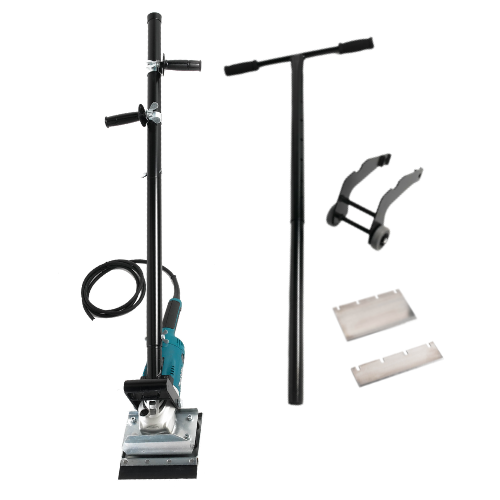
Walk-Behind Floor Stripping Machine
Blade-driven, with weight and downforce to shear under carpet, vinyl, LVT, cork, and rubber. Best for large, open areas. Choose variable speed if you can; it helps when adhesive density changes across a room.
Oscillating Multi-Tool Strippers
Smaller footprint, strong on edges, risers, and snaggy zones where a full walk-behind will not fit. Ideal for bathrooms, corridors, steps, and tight commercial areas.
Rotary Scrapers And Grinders
Useful for adhesive residue and smoothing after the main uplift. Not a primary lifter for sheet goods—more of a finishing and preparation tool.
For many jobs, pair a walk-behind floor stripping machine for the bulk with a compact oscillating scraper for corners and around services. If access is poor, lifts are tight, or you are working upstairs without a goods hoist, compact machines often win on speed due to reduced setup and transport time.
If you are building or upgrading your kit, see our flooring removal tools category for machine and hand options, bundles, and spare blades.
What Tools Do You Need To Remove Flooring?
Keep a lean, reliable kit so you can move fast:
- Floor stripping machine with a selection of cutting blades and angles
- Long-handle scraper and short floor scraper for edges
- Pry bars, tack lifter, and nail puller for grippers and trims
- Heavy-duty utility knife with straight and hook blades
- Heat source or approved solvent for stubborn adhesive
- Bags, tubs, and a rubble truck for waste handling
- Dust extraction and M-class vacuum for residue removal
- PPE: cut-resistant gloves, eye protection, hearing protection, FFP3 mask
Stock consumables in advance—bulk utility blades prevent downtime on cold sites.
Blade Types And Selection By Material
The right blade saves hours. Match blade profile to material:
- Carpet on gripper: Wide, flexible blades; start shallow and increase pitch gradually.
- Felt or foam-backed vinyl: Medium width, sharp edge, low angle to protect screed.
- LVT and tiles: Narrower, stiffer blades to penetrate rigid edges.
- Rubber or cork: Heavy-gauge blades, reduced speed, increased downforce.
- Adhesive ridges or soft mastic: Chisel-style scraper or rotary tool after main lift.
Carry spare blades on every job. Cold adhesive dulls edges quickly—swap at the first sign of chatter or feathering.
How To Remove Glued Down Vinyl Flooring
Score vinyl into manageable strips (300–600 mm). Apply gentle heat in winter to soften adhesive. Run the machine at a low blade angle, let it find the bond line, then increase pitch to maintain peel.
On edges, switch to a hand scraper and keep wrists neutral. If the bond resists, make a second pass with a stiffer blade rather than forcing the first.
What Tool Is Used To Remove Glued Down Flooring?
A floor stripping machine with the correct blade is the primary choice, supported by an oscillating scraper for perimeter work. In small bathrooms or landings, a compact oscillating unit alone can be faster due to reduced setup time.
Safe Adhesive Removal And Winter Site Tips
- Cold management: Store blades, batteries, and consumables warm overnight.
- Ventilation: Use local extraction while retaining site heat.
- Noise and dust: Schedule lift windows and use M-class extraction.
- Electrical: Confirm 110V or 230V supply before arrival.
Waste Handling And Disposal
- Clean carpet and vinyl: commercial waste stream
- Adhesive and mastic residues: bag separately, follow COSHH guidance
- Nails, grippers, trims: dedicated sharps container
- Fine dust: heavy-duty labelled bags
Always follow site-specific waste contractor rules to avoid surcharges.
The Best Way To Strip A Floor, Fast
- Survey materials and plan machine paths
- Start shallow and commit once the bond line presents
- Work in strips and keep staging areas clear
- Swap blades early
- Finish to the standard required for the next installation stage
How Long Does Floor Stripping Take?
- Carpet on gripper: 50–100 m² per hour
- Glued sheet vinyl: 25–60 m² per hour
- LVT: 30–70 m² per hour
- Old rubber or epoxy: 10–25 m² per hour
Cold sites typically reduce output by 10–30%.
When A Compact Stripper Beats A Heavy Unit
- Tight access and upper floors
- Small rooms with many fixtures
- Short overnight work windows
- Sensitive substrates requiring finesse
Pricing And Quote Checklist
- Material scope and layers
- Access and logistics
- Site conditions and power supply
- Adhesive type
- Substrate protection
- Waste segregation and fees
- Production rates by zone
- Team, equipment, and consumables
- Contingency allowance<